

 Tel. 911035241
Heres How to Hydrate Your Body After Drinking Alcohol


Therefore, it’s best to moderate your intake of energy drinks and alcoholic beverages and pair these drinks with plenty of water to stay hydrated. Wine’s primary components are water, alcohol, sugars, acids, and tannins, with water being a significant part of its makeup. However, the alcohol content in wine, typically between 11% and 14%, is a major contributor to its dehydrating effect. The diuretic property of alcohol leads to an increased rate of fluid and electrolyte loss, outweighing the hydration benefits of the water content in wine. Alcohol dehydrates you, and it’s crucial to drink plenty of water and replenish electrolytes after consuming alcoholic beverages to restore optimal fluid balance.
- «As the body gets dehydrated, the heart has to work harder to pump blood through the vessels,» explains Clark.
- «By the time you feel thirsty, you are already behind in fluid replacement,» the CDC notes on its website.
- This is likely because of the interaction of sugar and water within the cells.
- Still, a glass of non-alcoholic wine is a great alternative for those who want to partake in a toast without consuming alcohol.
Practical Tips to Counteract Wine-Induced Dehydration
However, wine certainly isn’t the only way to consume antioxidants. “One can achieve the same health benefits from antioxidants found in colorful fruits, vegetables, teas, and spices,» Gross says. Vomiting – leads to a loss of fluids and makes it difficult to replace water by drinking it.
What Counts as Water? Stay Hydrated and Healthy
For starters, if you drink wine while on an empty stomach, your intestines will absorb the alcoholic content and the liquid very quickly. Since there isn’t any food to get in the way, this will result in your body absorbing what water is already in the wine, leaving the alcohol in your system by itself. Having a few drinks can is wine dehydrating be fun, but feeling dehydrated or hungover is not. It’s up to you to decide if the pleasures of alcohol are worth the potential next-day effects. Your body’s metabolism can turn some components of alcohol into nutrients and energy. This happens at a rate of about one beer, a small glass of wine, or one shot of liquor per hour.
You might also be interested in Alcohol
- Mixed drinks may contain soda, juice, or other sugar-sweetened beverages as well.
- Without adequate electrolyte levels, water can’t enter cells and tissues, leaving you at risk of dehydration despite drinking water.
- While mild dehydration isn’t anything to worry about and can quickly be remedied by drinking water, moderate or severe dehydration can impair critical physiological functions.
- And while the non-alcoholic fluids in beer, wine, and liquor are inherently hydrating, they’re not necessarily hydrating enough to offset the effects of alcohol-induced dehydration.
As a result, your kidneys produce more urine to help flush out the alcohol. This increased urine output can lead to the loss of fluids and electrolytes, ultimately contributing to dehydration. Between your Thursday night wine and your Saturday night cocktail, you have a fairly good sense of what kind of hangover you’re in for on Friday and Sunday mornings. But beyond the type of alcohol you’re imbibing, you might not realize how much dehydration enters into the hangover equation.

Related Content
Some drinks are more dehydrating than others, but the amount of dry mouth you wake up with has more to do with alcohol volume, how much you drink per session, and what you combine with your favorite tipple. Alcohol-induced dehydration is more likely to occur if an individual drinks alcohol on an empty stomach or does not drink enough non-alcoholic fluids while consuming alcohol. People who are already at risk of dehydration should avoid or limit their alcohol consumption. If you’ve eaten some food and have consumed a glass of water, you can drink a few glasses of wine before you start to feel the effects of mild to moderate dehydration. Of course, the more you urinate, the faster you’ll become dehydrated if you keep following up with more glasses of wine. Taking steps to avoid the overconsumption of alcoholic, caffeinated, and sugary beverages may help a person avoid dehydration.
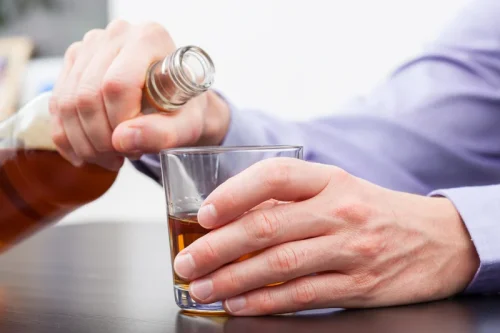
The American Academy of Pediatrics recommends that children drink plenty of fluids before starting any exercise and continue to drink during physical activity. Another misconception is that a “dry” wine is a wine that is higher in alcohol. This again is not the case, but we make this connection in our brains because in higher alcohol wines we tend to not only taste the fruit, but also experience more of the actual alcohol flavors. These flavors can appear in our mouths to have an absence of moisture, which we rationally would think of as being dry. While again, it is possible for a wine to not be sweet and also be high in alcohol, a high alcohol wine is not always “dry.” There are actually some very high in alcohol dessert wines that are incredibly sweet.
Effects of Dehydration
- Consuming alcohol leads to dehydration and can affect several systems and functions in the body.
- If you drink wine without water, your buzz is likely to be stronger and last for longer.
- This test measures blood alcohol concentration (BAC), or the amount of alcohol in your blood.
- Generally, the higher the alcohol content of a beverage, the more dehydrating it can be.
- This higher alcohol level in wine means it’s more likely to dehydrate you per glass.
The alcohol and sugar in wine take your body a good amount of energy to break down compared to simpler foods or beverages. Because your body has to use extra energy to break down the wine contents, your body’s core temperature may also increase. If you are wearing multiple layers or in a warm environment, you could induce a light sweat if you drink multiple glasses of wine in a row. Diabetes – high blood sugar levels cause increased urination and fluid loss. «It’s important to replenish fluids after drinking, or better yet, while drinking,» Sternlicht says.
This can increase your BAC significantly if you don’t replenish your body’s supply with a few sips of water as you drink. Still, a glass of non-alcoholic wine is a great alternative for those who want to partake in a toast without consuming alcohol. “I think having options for people trying to give up alcohol is great, so non-alcoholic wine can be a nice alternative for oenophiles looking to cut back on their alcohol intake,” Gross says.
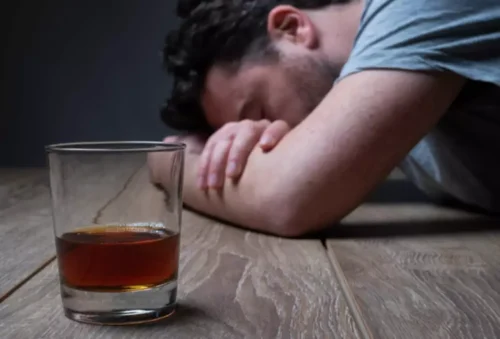
Does rehydration help reduce hangovers?
Using electrolytes while drinking alcohol may be especially beneficial for individuals with high blood pressure and other cardiovascular issues. In fact, our locations offer a dedicated IV drip therapy for hangovers and their common symptoms. Our Hangover IV therapy starts with a Myer’s cocktail base, which includes a mixture of fluids, electrolytes, and other great stuff the body can always use.
Health Tools
Research from 2017 indicates that low levels of caffeine ingestion do not cause dehydration. Participants who consumed over 500 milligrams (mg) of caffeine daily showed disruptions in fluid balance from the diuretic effects of coffee. Drinks and ingredients that act as diuretics, which are substances that increase urine production, may have a dehydrating effect if a person does not take care to balance them with adequate hydration from other sources. Common symptoms of dehydration include increased thirst, dry mouth, fatigue, headache, dizziness, and dark-colored urine. The direct answer to this question is yes, wine can be dehydrating. Alcohol, including the ethanol found in wine, is a diuretic, meaning it increases urine production and can potentially lead to dehydration.